AI analysis of radiology reports uncovers incidental thyroid findings in nearly 8% of adults
Incidental thyroid findings were common among adults undergoing imaging for nonthyroid reasons in an artificial intelligence-enabled analysis of more than 115,000 radiology reports. The study, published in The Journal of Clinical Endocrinology & Metabolism, showed that these incidental findings were strongly associated with diagnostic cascades leading to the detection of small, low-risk thyroid cancers.
The study was led by Felipe Larios, MD, Visiting Research Fellow in the Care & AI Laboratory, Knowledge and Evaluation Research Unit, and Instructor in Medicine at Mayo Clinic College of Medicine and Science in Rochester, Minnesota.
To identify incidental thyroid findings at scale, the researchers built a transformer-based natural language processing pipeline to review radiology reports and extract nodule characteristics. The analysis included 115,683 adults without prior thyroid disease who underwent imaging likely to capture the thyroid at Mayo Clinic sites in Rochester, Minnesota; Jacksonville, Florida; Scottsdale, Arizona; and the Mayo Clinic Health System in Minnesota and Wisconsin from July 1, 2017, to September 30, 2023.
Eligible imaging included computed tomography (CT), magnetic resonance imaging (MRI), positron emission tomography/computed tomography (PET/CT), carotid ultrasonography, parathyroid scintigraphy, octreotide scintigraphy, nuclear cardiac stress testing, and head or neck ultrasonography performed for nonthyroid indications.
The AI tool first determined whether each radiology report contained an incidental thyroid finding. Reports with positive findings were then categorized as incidental thyroid nodules or nonnodular findings. The system also extracted nodule details, including location, size, radiologic characteristics, and follow-up recommendations. In testing, BioClinicalBERT performed best for identifying incidental thyroid findings, with an F1 score of 0.97, while Medical-NER performed best for extracting nodule details, with an F1 score of 0.81.
Overall, 9,077 patients had an incidental thyroid finding, for a prevalence of 7.8%. Most were nodular findings: 8,426 patients, or 92.9%, had incidental thyroid nodules. Incidental findings were more common among women, older adults, and patients with higher body mass index. They were also more likely when imaging was ordered by specialties other than emergency medicine. Compared with chest CT, neck CT, PET, and nuclear medicine scans were more likely to detect incidental thyroid findings.
Inconsistent Nodule Reporting
Nodule reporting was inconsistent. Location was documented in 77.2% of reports, but size was included in 43.8%, and other radiologic features were reported far less often. Radiologists included recommendations in 26.7% of reports; when they did, ultrasound was the most common next step, accounting for 70.5% of recommendations.
Among patients with incidental thyroid findings, 20.2% underwent follow-up thyroid ultrasound. A new thyroid nodule diagnosis was recorded in 22.3% of patients with incidental thyroid findings compared with 0.6% of those without such findings.
Patients with incidental thyroid findings also had higher odds of undergoing thyroid biopsy, partial or total thyroidectomy, and receiving a thyroid cancer diagnosis. Thyroid cancer was diagnosed in 109 patients with incidental thyroid findings, or 1.2%, compared with 21 patients without incidental findings, or 0.02%.
Most cancers detected after incidental findings were papillary thyroid carcinomas. Among patients with incidental thyroid findings who were diagnosed with thyroid cancer, 96 of 109 cases, or 88.1%, were papillary thyroid carcinoma. The mean tumor size was 2 cm in the incidental thyroid finding group compared with 1.3 cm in patients without incidental findings.
The authors noted that this pattern may contribute to overdiagnosis because the diagnostic cascade often uncovered small, low-risk cancers that may not have caused clinical harm. They said the findings point to the need for standardized reporting of cross-sectional imaging and more selective follow-up strategies.
Dr. Larios reported having no disclosures. Other study authors reported personal fees from Immunovant outside the submitted work and grants from the National Institutes of Health during the conduct of the study.
Expert Commentary
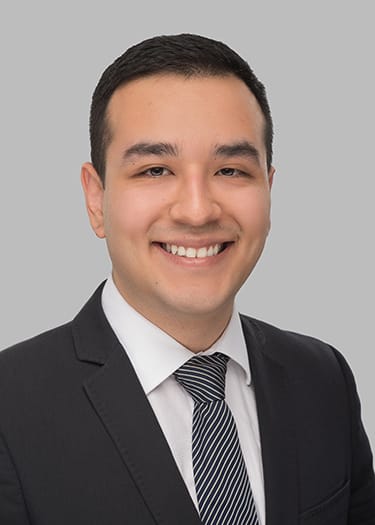
AACE Endocrine AI invited Dr. Larios to elaborate on the findings.
AACE Endocrine AI is published by Conexiant under a license arrangement with the American Association of Clinical Endocrinology, Inc. (AACE®). The ideas and opinions expressed in AACE Endocrine AI do not necessarily reflect those of Conexiant or AACE. For more information, see Policies.