AI may expand molecular risk assessment in thyroid cancer
Artificial intelligence models analyzing routine thyroid cancer histopathology accurately predicted clinically relevant molecular alterations, particularly the BRAF V600E mutation, but the evidence remains largely retrospective and requires prospective validation before the technology can be implemented in clinical practice, according to a systematic review presented at ENDO 2026, the Endocrine Society's annual meeting in Chicago.
Researchers from Mayo Clinic and collaborating institutions conducted a PRISMA 2020-compliant systematic review using a registered PROSPERO protocol. They searched six databases for studies published between 2000 and September 2025 evaluating artificial intelligence (AI) models applied to digitized whole-slide images of thyroid cancer. The review included original studies across multiple AI applications, with a quantitative meta-analysis focused on molecular prediction. Risk of bias was assessed using adapted QUADAS-2 and PROBAST-AI tools.
Among 1,015 screened records, the researchers identified 11 retrospective studies involving 13,174 patients that evaluated AI-based prediction of molecular status from thyroid histopathology. Six thyroid-specific studies evaluating BRAF V600E prediction were sufficiently homogeneous for meta-analysis, yielding a pooled area under the receiver operating characteristic curve (AUC) of 0.91 (95% CI, 0.88-0.94).
Performance also remained high across other molecular targets, although differences among study designs prevented pooled analysis. Individual studies reported AUCs ranging from 0.86 to 0.94 for models predicting RAS-related phenotypes, gene fusions, methylation patterns, and immune markers.
External validation was limited, as only three of the 11 studies included independent cohorts distinct from the training datasets. Those models predicted BRAF V600E mutations, combined BRAF-RAS gene expression signatures, and panRAS mutations while maintaining AUCs ranging from 0.88 to 0.94. The remaining studies relied on internal validation or publicly available datasets, limiting confidence in real-world performance.
Risk-of-bias assessment identified substantial methodological limitations. High risk of bias was observed in participant selection and analysis domains, primarily due to retrospective study designs, nonrepresentative patient cohorts, and limited external validation.
Researcher David Toro Tobon, MD, disclosed a consulting relationship with Immunovant Inc. No other conflicts of interest were reported.
AACE Endocrine AI invited lead author Ivan Mateo Alzamora Lopez, MD, of the Mayo Clinic in Rochester, Minnesota, to elaborate on the findings.
Why does this study matter?
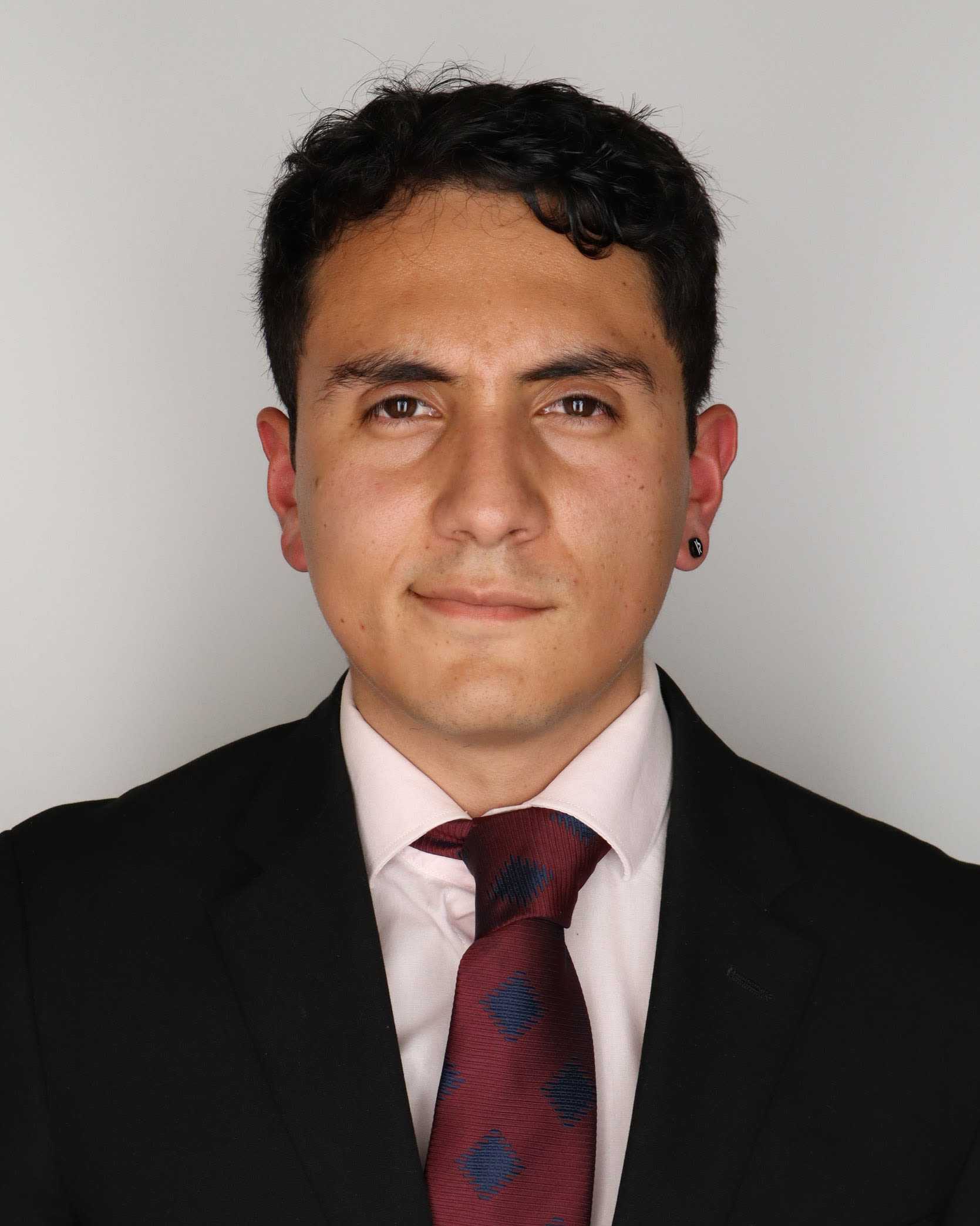
Dr. Lopez: Our main problem with thyroid cancer right now is overtreatment. We are finding a lot of small, indolent tumors, but disease-specific mortality hasn't really changed. To figure out who needs aggressive treatment and who can safely be monitored, we need to understand the tumor's biology. Current guidelines do not recommend comprehensive molecular testing on every single patient. Our review asks a practical question: Can we get those same molecular and prognostic signals from a standard hematoxylin-eosin pathology slide? We are already taking the tissue—we just need to digitize it. If AI can help the health care team predict molecular alterations from routine histology, it would provide benefits for patient care. Before we start using these models, we need to test whether they are ready for the clinic. That is what our study sets out to do—evaluate the true clinical readiness of these algorithms.
Was there any data that stood out?
Dr. Lopez: What surprised me most was the contrast between the strength of the early results and how much validation is still needed. BRAF-related molecular prediction from routine thyroid histology showed encouraging performance, suggesting that histologic patterns may carry meaningful information about tumor biology. At the same time, many studies still lacked independent external validation and demonstrated bias, mostly related to how cases were selected for training. That gap between promising results and limited clinical readiness became one of the central findings of our review.
How might the findings influence clinical practice in endocrinology?
Dr. Lopez: These findings are not ready to change clinical practice today, but they point to a future where routine pathology slides may provide more information than we currently use. For endocrinologists, this could eventually mean having another source of biologic insight to support risk stratification, treatment planning, and decisions about when molecular testing may be most helpful. Before that can happen, these models need prospective, multi-institutional validation to ensure they are reliable across different patients, institutions, pathology workflows, and real-world clinical settings.
Is there anything else you'd like to say about this work?
Dr. Lopez: AI in thyroid digital pathology should be viewed as a tool to support clinical care, not replace it. The goal is not to replace clinicians, pathologists, or molecular testing, but to help make better use of information that is already present in routinely collected tissue. High performance in retrospective datasets is only the beginning. Right now, the field needs broader representation in the data. Most of the algorithms we reviewed were trained heavily on classic papillary thyroid carcinoma, while aggressive variants and diverse global populations are understudied. If we want these tools to truly support clinical care and avoid overtreatment, we have to move beyond small, isolated datasets. The path forward relies on multi-institutional pathology foundation models, rigorous validation, and greater transparency in reporting methods. Ultimately, the goal is to improve patient care and make it more informed, individualized, and evidence-based.
AACE Endocrine AI is published by Conexiant under a license arrangement with the American Association of Clinical Endocrinology, Inc. (AACE®). The ideas and opinions expressed in AACE Endocrine AI do not necessarily reflect those of Conexiant or AACE. For more information, see Policies.